

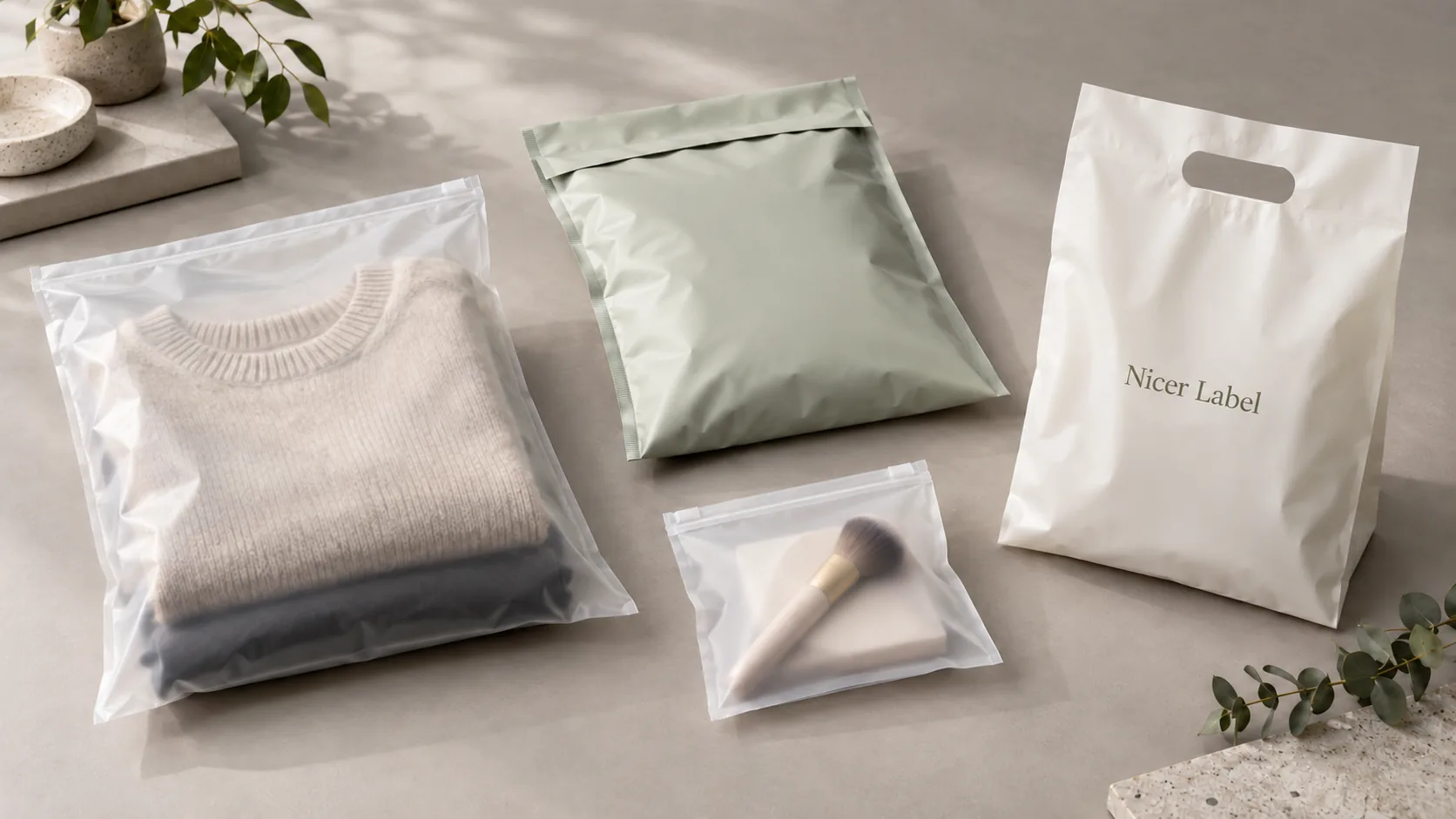


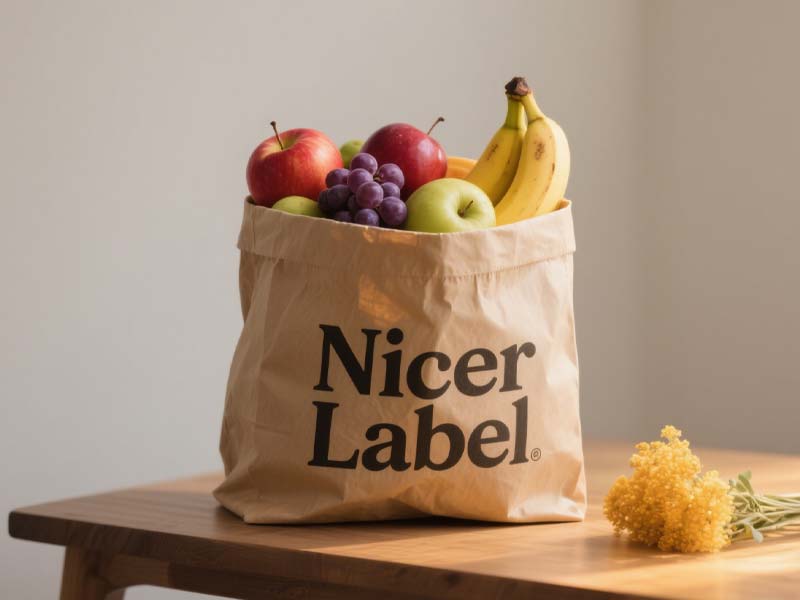
The checkout counter tells a story of change. Paper bags are back as businesses and consumers embrace sustainable packaging. But can they truly handle heavy items without losing reliability?
Modern paper bag design has revolutionized strength, environmental impact, and style. These aren’t the flimsy sacks of the past—they’re durable, eco-friendly solutions built to perform under pressure while supporting sustainability goals.
This guide covers everything you need to know about paper bags, from weight limits and construction to environmental benefits and design innovations. Learn how to maximize their potential and make smarter, greener packaging choices..
Understanding Paper Bag Strength
Material Foundation: What Makes Paper Bags Strong
Superior paper bags start with kraft paper—a robust material created through specialized pulping processes that preserve long wood fibers. These extended fibers form interconnected networks that deliver exceptional strength compared to standard paper alternatives.
Thickness determines performance capacity. Measured in points (each representing 1/1000th of an inch), quality paper bags range from 60 to 120 points. A well-constructed 90-point kraft paper bag comfortably supports 15-20 pounds when properly designed.
Recycled paper provides eco-friendly alternatives while maintaining impressive strength characteristics. Modern recycling techniques have dramatically improved recycled paper performance, making it a viable option for most applications.
Construction Techniques That Deliver Results
Handle design separates exceptional paper bags from mediocre alternatives. Twisted paper handles distribute weight more effectively than flat versions, while rope handles accommodate even heavier loads. Strategic handle placement and reinforcement points prevent the most common failure mode—handle separation.
Bottom reinforcement transforms basic bags into reliable workhorses. Double-wall bottoms and engineered gussets distribute weight across entire surfaces rather than concentrating stress at vulnerable points. This construction advancement alone doubles effective weight capacity.
Side gussets enable expansion while maintaining structural integrity. Properly designed gussets accommodate bulky items without creating tear initiation points that compromise bag performance.
Weight Capacity: Setting Realistic Expectations
Standard retail paper bags reliably handle 5-10 pounds. Premium grocery bags support 15-25 pounds when new and dry. Heavy-duty specialty bags accommodate up to 30 pounds with proper construction.
These bags excel with books, clothing, electronics, non-perishable groceries, and lightweight hardware. They perform beautifully carrying multiple items that collectively reach weight thresholds, provided no single item creates excessive stress concentration.
However, limitations exist. Sharp objects penetrate even premium paper. Moisture compromises structural integrity significantly. Items with protruding elements or jagged edges create failure initiation points.
Sustainability Benefits That Matter
Environmental Advantages You Can Count On
Paper bags biodegrade completely within weeks to months, eliminating persistent pollution concerns associated with plastic alternatives. This biodegradability creates genuine environmental benefits that extend far beyond initial use.
Recyclability amplifies sustainability impact. Paper bags recycle effectively 5-7 times before fibers become too short for reuse, creating circular economy benefits where today’s shopping bag becomes tomorrow’s packaging or paper products.
Renewable resource utilization sets paper apart from petroleum-based alternatives. Trees regrow continuously, making paper infinitely renewable when sourced from responsibly managed forests. Leading manufacturers prioritize certified sustainable forestry operations exclusively.
Production Impact and Improvements
Modern paper mills implement renewable energy sources and water recycling systems that minimize environmental footprint. Energy requirements, while significant, increasingly come from sustainable sources that reduce overall environmental impact.
Sustainable sourcing proves critical for environmental benefits. Paper from well-managed forests actually supports ecosystem health by maintaining forest biodiversity. Choose suppliers who demonstrate certified sustainable material commitments.
Environmental Footprint Comparisons
Lifecycle analyses consistently demonstrate paper bags’ environmental superiority over single-use plastic alternatives. While initial production requires more energy, biodegradability and recyclability create substantially lower long-term environmental costs.
Reusable alternatives require different calculations. Canvas totes need approximately 100-150 uses to offset production environmental costs compared to paper bags. For frequent use, reusables win decisively. For occasional applications, paper bags often prove more environmentally responsible.
Style and Aesthetic Excellence
Design Possibilities That Inspire
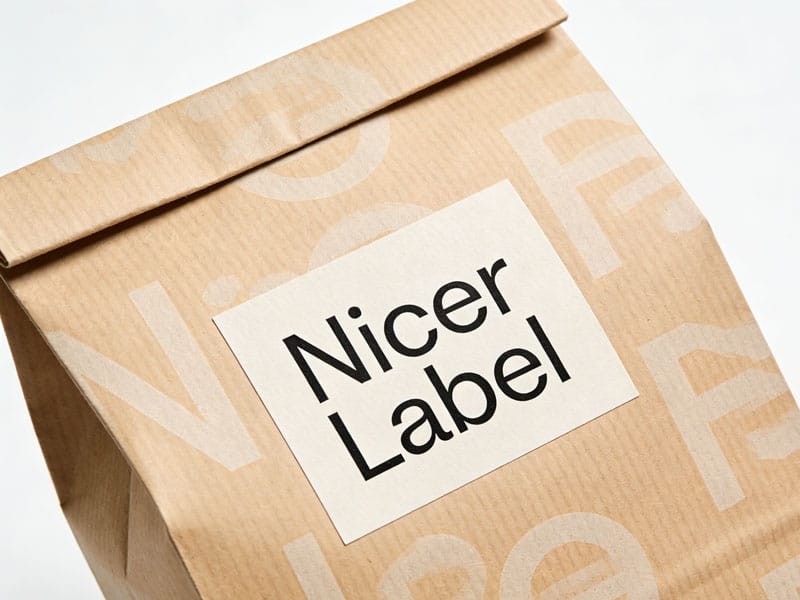
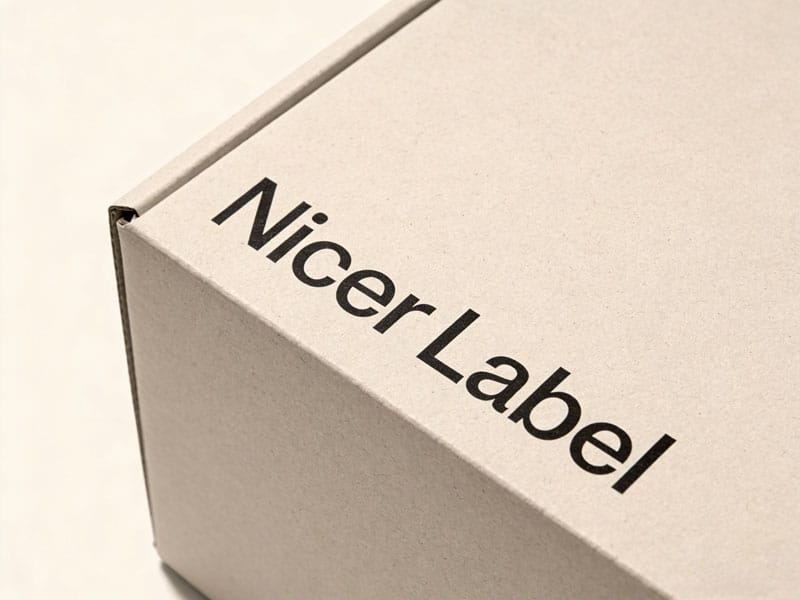
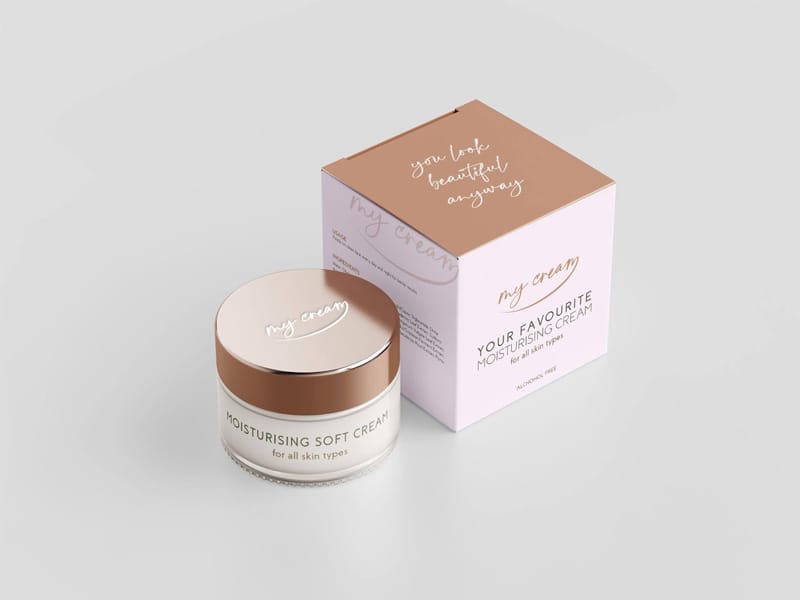
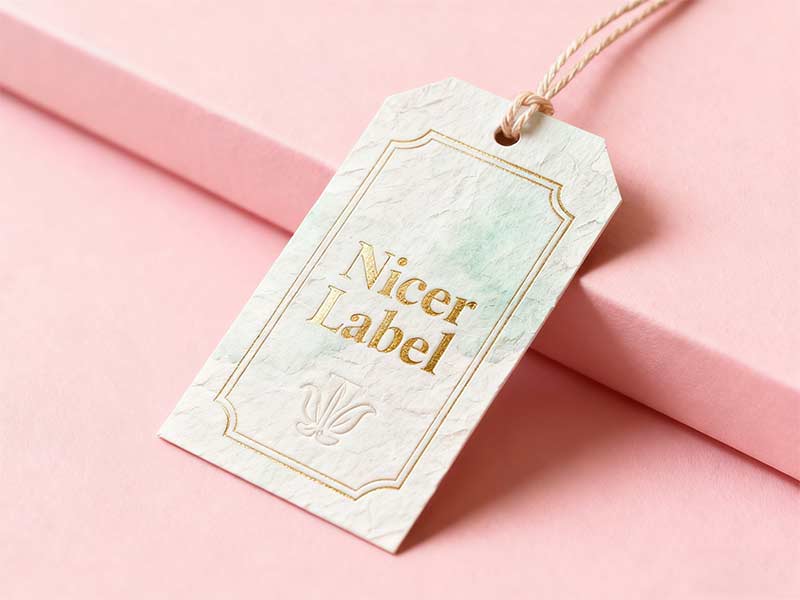
Custom printing transforms functional paper bags into powerful branding tools. Businesses leverage paper packaging as mobile advertisements that customers genuinely want to carry and display.
Color options span complete spectrums, from classic kraft aesthetics to vibrant custom hues that capture brand personalities. Texture variations—smooth, ribbed, or specialty finishes—add tactile appeal that enhances user experiences.
Logo integration and design sophistication turn paper bags into brand ambassadors. Well-designed bags often enjoy extended life as gift packaging, storage solutions, or craft materials, providing ongoing brand exposure that delivers lasting value.
Consumer Perception and Market Trends
Aesthetic appeal significantly influences consumer paper bag preferences. Shoppers consistently associate attractive paper bags with quality, environmental consciousness, and brand sophistication—perceptions that benefit retailers substantially.
Current design trends favor minimalist approaches with clean typography, natural color palettes, and subtle branding elements. Artisanal aesthetics featuring hand-drawn elements, vintage fonts, and organic shapes particularly resonate with environmentally conscious consumers.
Maximizing Paper Bag Performance
Selecting Optimal Solutions
Assess carrying requirements realistically. Light retail purchases need different specifications than heavy grocery loads. Match bag construction to intended applications rather than assuming universal solutions.
Examine construction quality indicators: even paper thickness, clean fold lines, secure bottom assembly, and reinforced attachment points. These details predict real-world performance more accurately than marketing specifications.
Best Practices for Success
Distribute weight evenly across bag bottoms rather than allowing concentration in corners. Pack heavier items below lighter objects, following proven loading principles that maximize structural integrity.
Protect bags from moisture whenever possible. Consider double-bagging for potentially leaking items or humid conditions. Keep sharp objects away from bag surfaces to prevent puncture failures.
Avoid exceeding stated weight limits. Paper bag strength degrades gradually before sudden failure—maintaining recommended limits provides crucial safety margins.
Recognizing Alternative Requirements
Heavy-duty applications exceeding 30-pound capacity require different solutions like canvas totes, plastic bins, or corrugated boxes. Paper bags excel within designed parameters but aren’t suitable for construction materials or bulk dense items.
Wet conditions favor waterproof alternatives. While moisture-resistant coatings exist, paper remains fundamentally water-vulnerable. Long-term storage applications benefit from more durable materials designed for extended use.
Elevate Your Packaging Strategy
Paper bags offer functional, eco-friendly, and visually appealing packaging solutions. When chosen and used correctly, they provide reliable strength for most needs while supporting sustainability and enhancing your brand.
Understanding their capabilities is key. Paper bags perform best within their limits, offering unique environmental and aesthetic benefits. Advances in construction have expanded their applications, making them a versatile option.
Your packaging choices reflect your values. Paper bags combine strength, sustainability, and style to appeal to conscious consumers.
Ready to elevate your packaging? Contact us to explore custom paper bag options that deliver strength, sustainability, and standout design..