



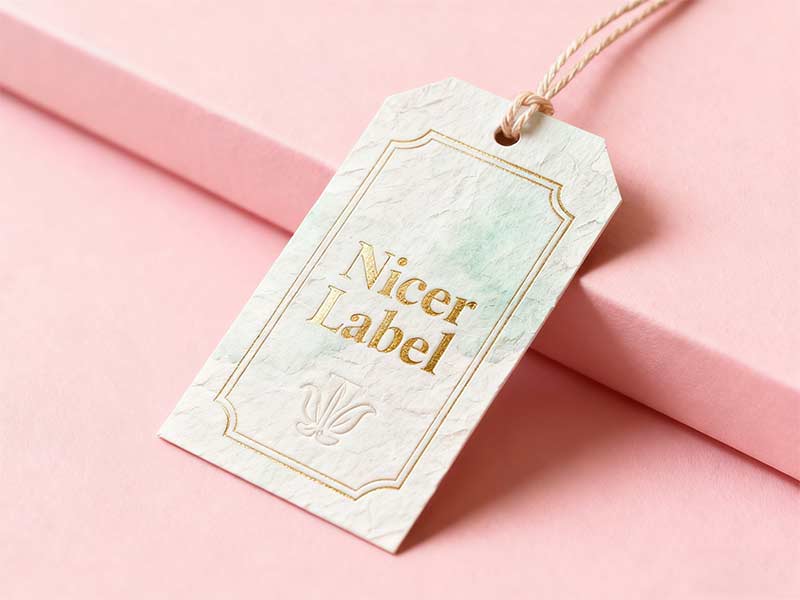
In retail, first impressions are everything. Every detail matters, from store layout to the products themselves. One seldom noticed yet vital element for brand identity is the modest hang tag. These simple, functional items are more than just price markers—they are powerful tools for building a brand’s identity, telling its story, and leaving a long-lasting impression on consumers.
1. What Are Hang Tags?
Hang tags are labels attached to products, typically made from paper, cardstock, or fabric. They come in various sizes, shapes, and designs, and usually include essential information like the brand name, product details, care instructions, and pricing.
However, modern hang tags have evolved beyond basic labels—they now serve as a symbol of the brand itself. Brands like Nicer Label specialize in custom hang tags, which help expand marketing efforts, strengthen branding, and engage target markets effectively.
2. The Core Value of Hang Tags in Brand Building
2.1 Improving Product Presentation
Because how a product is presented mainly depends on consumers’ purchasing decisions. Hang tags enhance visual appeal, and helping it stand out to catch customers’ eyes on crowded retail shelves.
A well-designed hang tag can be the difference between a product being noticed or overlooked. The combination of color, typography, and graphics on the tag reflects the brand’s personality, making it a critical part of product presentation.
2.2 Conveying Brand Values to Consumers
Hang tags act as a communication bridge between brands and consumers. They effectively share the brand’s mission, values, and story in a simple, accessible way.
For example, sustainability-focused brands can include details about eco-friendly materials or ethical manufacturing processes on their hang tags. When consumers recognize and align with a brand’s values, they are more likely to connect with the brand and become loyal customers.
2.3 Telling a Brand Story
Every successful brand has an “origin story” that resonates with its audience—and hang tags are an excellent medium for sharing this story.
Brands can use the tag’s space to explain their journey, the inspiration behind their products, or the craftsmanship involved in creation. This personalized touch fosters a deeper emotional connection between consumers and the brand, ultimately boosting purchase intent.
2.4 Creating a Lasting Impression
Brands aim to leave a memorable mark with every customer interaction—even after the customer leaves the store. A thoughtfully designed hang tag can stay in consumers’ minds long after their visit.
By adding unique design elements or interactive features (such as QR codes linking to brand videos or social media), brands create memorable experiences. This not only increases customer satisfaction but also drives word-of-mouth marketing—essential in today’s tech-driven landscape.
3. SEO-Friendly Best Practices for Hang Tag Design
To maximize the effectiveness of hang tags, brands should follow these best practices—designed to enhance both user experience and searchability.
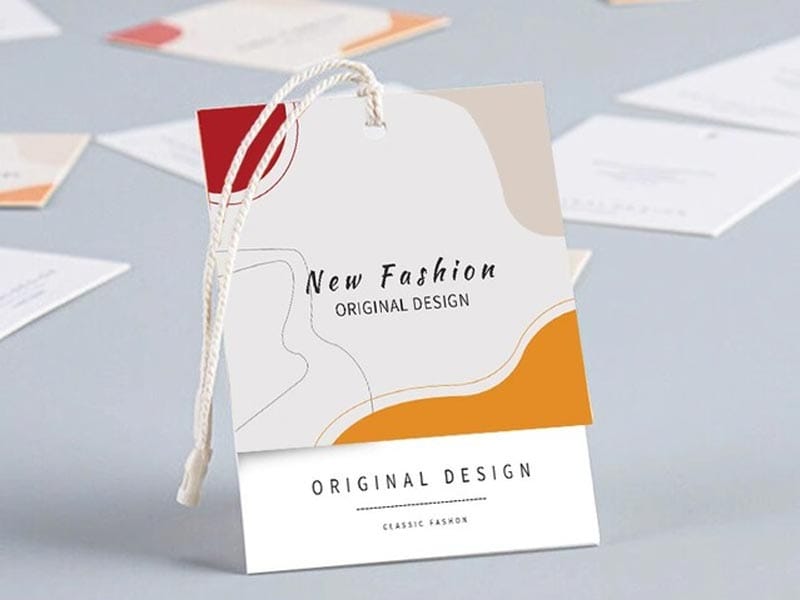
3.1 Keep It Simple
While it may be tempting to include excessive information, simplicity yields better results. Clear, concise messaging helps consumers quickly grasp key product details.
Use bullet points or short sentences to highlight essential information without overwhelming the reader.
3.2 Prioritize Readability
Fonts and colors are critical to a hang tag’s success. Text should be easy to read, even from a distance.
Brands should test different font sizes and styles to balance aesthetics with legibility. High-contrast colors improve visibility while staying consistent with the brand’s color palette.
3.3 Incorporate Visuals
Visual elements like logos and graphics enhance the hang tag’s design—but they must align with the brand’s identity.
Consistency in branding ensures a cohesive experience across all customer touchpoints, strengthening brand recognition (a key factor in SEO and user trust).
3.4 Use Quality Materials
The material of a hang tag reflects the brand’s commitment to quality. Choosing high-quality, durable materials conveys a sense of luxury and care.
Brands that invest in quality hang tag materials are often perceived as more trustworthy and reliable by consumers.
3.5 Make It Interactive
Modern consumers value interactivity. Adding QR codes or website links to hang tags provides consumers with additional product information and connects them to the brand’s digital platforms (e.g., social media, blogs).
This interaction deepens consumer engagement and extends the brand’s reach beyond the physical store.
4. The Link Between Hang Tags and Consumer Behavior
The design and functionality of hang tags have a significant impact on consumer behavior. Research shows that thoughtfully designed hang tags increase a product’s perceived value.
When consumers believe a product has a story or deeper meaning, they are more willing to purchase it—and often pay a higher price.
4.1 Building Trust and Credibility
Well-crafted hang tags that emphasize transparency (e.g., product sourcing, manufacturing processes) build trust and credibility with consumers.
When consumers have access to clear, honest information, they feel more confident in their purchasing decisions.
4.2 Inducing Impulse Purchases
Effective hang tags can trigger impulse buys. If a consumer is captivated by a product’s description or story on the tag, they are more likely to purchase it on the spot.
Brands can leverage strategic hang tag placement in retail stores to attract attention and drive unplanned purchases.
5. Successful Case Studies: Brands Excelling with Hang Tags
Several brands have used hang tags to strengthen their branding efforts. Below are notable examples:
5.1 Patagonia
Patagonia’s hang tags focus on its commitment to sustainability and environmental activism. The tags are made from 100% recycled materials—an integral part of the brand’s narrative.
By aligning product information with its values, Patagonia builds a strong emotional connection with eco-conscious consumers.
5.2 Stella McCartney
Stella McCartney’s luxury fashion line is known for its cruelty-free principles. The brand uses hang tags to communicate its ethical stance and highlight sustainable materials.
This transparency increases the perceived value of its products, appealing to consumers who prioritize ethically made luxury goods.
Nicer Label’s offerings demonstrate the power of well-designed hang tags in brand building.
6. Conclusion
The significance of hang tags in brand building cannot be underestimated. They serve as a canvas for creativity, a platform for storytelling, and a vehicle for sharing brand values.
By investing in thoughtful hang tag design, brands can enhance product presentation, foster deeper consumer connections, and build long-term loyalty. In an increasingly competitive retail market, these small labels give brands the edge to stand out and resonate with target audiences.
In an era where every detail counts, hang tags offer an opportunity to communicate a brand’s identity—visually and verbally—turning ordinary products into storytelling experiences. With careful attention to design, messaging, and materials, brands can unlock the full potential of hang tags and leave a lasting impression on consumers.
When companies integrate hang tags into their branding strategy, they not only improve product appeal but also build a stronger, more cohesive brand that authentically connects with its audience.
Contact Nicer Label to get your own hang tags!