

What CHIC Autumn 2026 Reveals About 2027 Fashion Industry Trends – and the Labels Brands Will Need

CHIC Autumn 2026 did not point to one dominant silhouette or one must-have material. Its stronger message was structural: the apparel market is becoming more functional, more culturally specific, more digitally managed and more demanding about product information. For clothing brands planning Fall/Winter 2026/27 or 2027 collections, labels are therefore moving beyond a final branding detail. They are becoming part of product performance, compliance, storytelling and data architecture.
The seven 2027 fashion industry trends below combine verified evidence from CHIC and the co-located Intertextile Apparel fair with wider regulatory and business signals. They are forecasts, not claims that every exhibitor or market will move at the same speed.
CHIC Autumn 2026 at a Glance
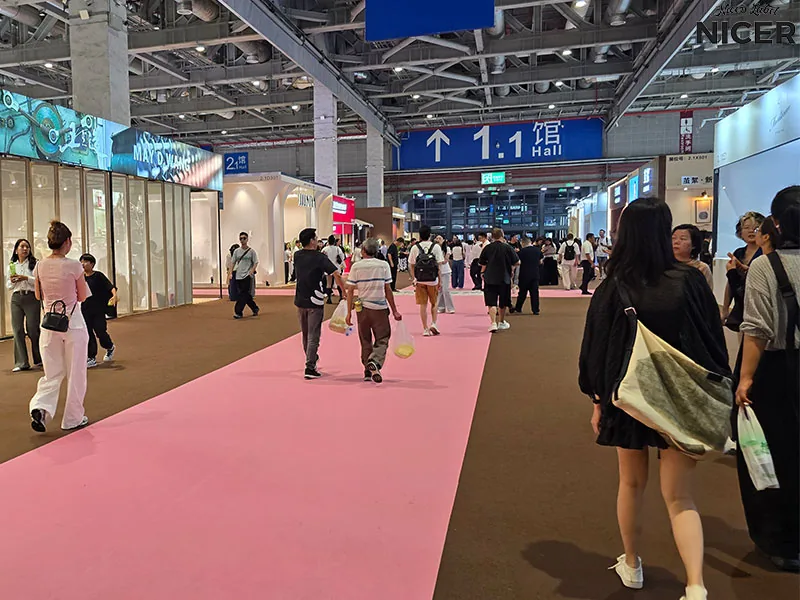
Dates and venue: The fair ran from August 25 to 27, 2026 at the National Exhibition and Convention Center in Shanghai, using the North Hall, Hall 2.1 and Hall 3. [1]
Scale: CHIC reported 53,000 square metres of exhibition space and 738 exhibitors across 11 market segments, including womenswear, menswear, outdoor and sports, winter fashion, denim, accessories, digital fashion, Chinese Style and international brands. [2][3]
Visitor activity: Pre-show materials described more than 60,000 trade visitors as expected. On-site coverage reported dense first-day business traffic, buyers from 17 countries and regions, and matchmaking activity that generated more than 1,000 instances of in-depth enterprise discussions. [2][3]
New-product signal: Reported launches ranged from contemporary interpretations of silk brocade and botanical dyeing to cashmere-down hybrids, seamless knitted yoga wear, 3D-knitted mountaineering garments and smart temperature-regulating outerwear. Bio-based, graphene and probiotic functional textiles also appeared as consumer-facing applications rather than distant concepts. [3]
Data note: As of August 28, 2026, a verified post-show attendance total had not been published in the sources reviewed. For accuracy, the 60,000-plus figure should be treated as an expectation, not a confirmed final count.
Shift 1: Performance Moves Into Everyday Dressing
CHIC’s product mix blurred the boundary between technical apparel and daily wardrobes. Smart temperature control, 3D knitting, seamless construction and hybrid insulation appeared alongside familiar fashion categories. The co-located Intertextile Apparel fair reinforced the same direction through performance textiles, climate-adaptive materials and a Functional Lab focused on real product applications. [3][4]
Our forecast for late 2026 and 2027 is that more brands will sell performance as an everyday benefit: lighter warmth, stretch without bulk, moisture management, easier care and comfort across changing climates. Outdoor styling may remain visible, but the larger commercial opportunity is apparel that quietly performs in commuting, travel, work and wellness settings.
Label implication: A technical garment needs a label system tested as part of the product, not added after the fabric is approved. Heat transfer labels can support tagless comfort in activewear. Woven brand labels can add durable identity to outerwear. Printed care labels need to remain legible through the intended wash cycle. Adhesion, stretch, coating compatibility, skin contact and placement should all be checked on the actual garment material before bulk production.
Shift 2: Distinctive Identity Beats Generic Premium
A dedicated Chinese Style area appeared for the first time at a CHIC autumn edition. On the show floor, traditional techniques were translated into commercially wearable products rather than presented only as heritage exhibits. That matters beyond China. In a crowded global market, a recognisable point of view is becoming more valuable than a vague promise of premium quality. [2][3]
In 2027, we expect brands to invest more deliberately in origin stories, regional craft, founder narratives and signature design codes. The winning approach will not be to copy a cultural aesthetic. It will be to make the brand’s own identity specific enough to be remembered and consistent enough to travel across markets.
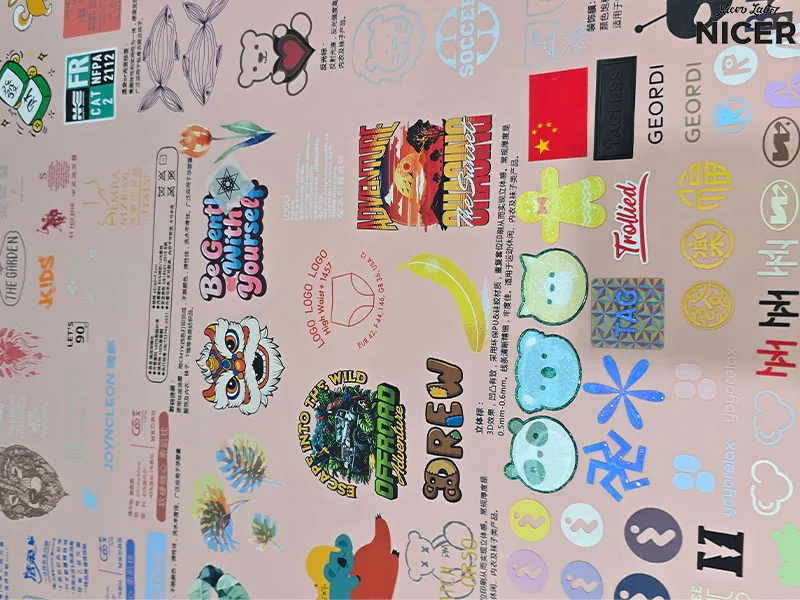
Label implication: The woven neck label, hem label, patch and hang tag become a tactile identity system. Thread density, edge finish, fold type, colour matching, paper weight and print finish should express the same brand character as the garment. A good custom clothing label does not merely repeat a logo; it makes the product feel authored.
Shift 3: Smaller Bets and Better SKU Discipline
The busy buyer meetings at CHIC showed demand, but global fashion economics still reward caution. McKinsey reported that 2024 inventory days on hand reached a record level, 14 percent above pre-2020 averages, while consumers remained highly value-conscious. Operational efficiency and inventory control are therefore central themes for 2026 and are likely to remain so in 2027. [3][5]
We expect more brands to protect cash by testing narrower drops, reducing duplicated SKUs and reordering proven styles more quickly. Large seasonal statements will not disappear, but they will increasingly sit beside more disciplined test-and-repeat programs.
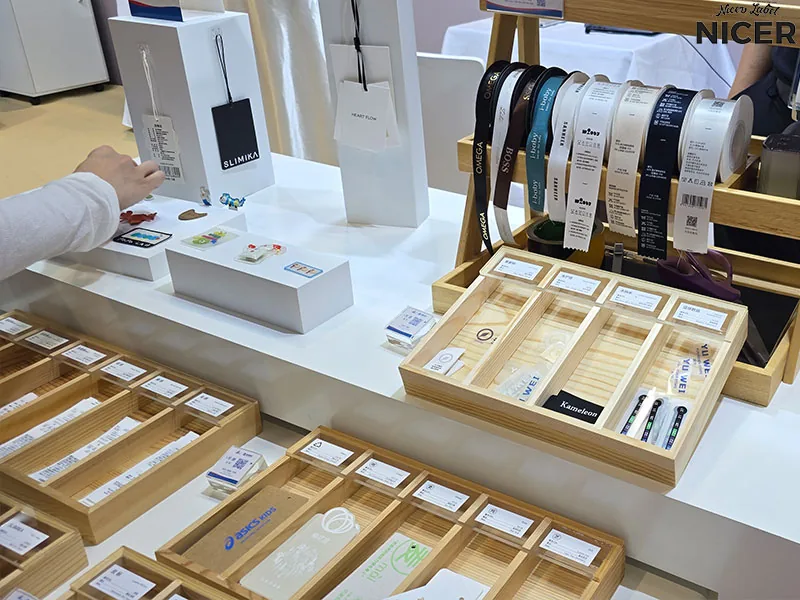
Label implication: Brands need a coordinated label architecture that can handle colour, size, language and market variations without rebuilding every component from zero. Approve the core brand label first, then manage variable care content, size tabs, stickers and hang tags through controlled versions. Clear artwork naming and revision records reduce expensive mismatches between garment and trim.
Shift 4: AI Speeds Up Design – Physical Consistency Matters More
CHIC’s business sessions addressed AI-powered fashion design, digital transformation and new e-commerce models. Intertextile’s Textile Future theme similarly highlighted AI tools and next-generation manufacturing. Industry adoption is still uneven: McKinsey noted that many AI projects remain stuck at pilot stage, even as leading companies push further into production. [2][4][5]
The likely 2027 effect is not simply more AI-designed clothes. It is more concepts, more rapid iteration and more product content created around each launch. That speed increases the risk of inconsistent logos, colours, claims and care information across physical products.
Label implication: Treat labels as controlled brand assets. Lock master logo files, Pantone or approved colour references, minimum text sizes, care-symbol rules, fold and seam allowances, and a single source of truth for each SKU. AI can expand creative options, but the woven label or care label on the finished garment must still be exact.
Shift 5: Traceability Becomes Part of Garment Architecture
The European Union’s 2025-2030 Ecodesign for Sustainable Products working plan places textiles and apparel among its first priorities and gives 2027 as the indicative timeline for adopting product-specific measures. The wider regulation establishes the Digital Product Passport framework, but the detailed textile requirements are still being developed. [6][7]
For brands selling into Europe, 2027 planning should therefore include structured product data even before every rule is final. Material composition, care, origin, supplier records and sustainability evidence need to connect to a stable product identifier. Waiting until the final label artwork stage will be too late if the underlying data is incomplete.
Label implication: Reserve space and production logic for a machine-readable data carrier, such as a QR code, where appropriate. Decide whether it belongs on a durable care label, a separate loop label or a removable hang tag based on the intended life of the information. A QR code by itself does not make a garment compliant; data quality, access, durability and the final delegated requirements will determine the correct solution.
Shift 6: Sustainability Claims Need Physical and Data Consistency
Bio-based and other advanced materials featured at CHIC, while Intertextile’s Sustainability theme and Econogy activities focused on lower-impact materials, certifications and sourcing solutions. The market direction is clear, but consumers and regulators are becoming less tolerant of broad, unsupported environmental language. [3][4][7]
In 2027, a brand’s garment, trims, packaging and claims will be judged as one system. A recycled-fibre story can be weakened by vague percentages, missing chain-of-custody documents or label materials that contradict the message. The safer strategy is to make specific claims that the brand can substantiate.
Label implication: Start with the claim, evidence and end market, then select the label or hang-tag material. Confirm the exact fibre content and wording before printing. Use a QR-linked page for deeper evidence when useful, but keep mandatory information clear on the physical label. Material choices should be documented and matched to the garment’s actual use and disposal pathway.
Shift 7: New Categories Require More Specialised Label Systems
CHIC organised the market into 11 distinct segments, while Intertextile expanded into climate-adaptive textiles, silver-age applications and a dedicated Pet Boutique. These are signs that apparel growth is fragmenting into specific use cases rather than one mass trend. [2][4]
We expect more brands to explore pet apparel, adaptive clothing, wellness products, technical outdoor capsules and cross-category accessories in 2027. Among the 2027 fashion industry trends that matter for labels, this category fragmentation is one of the most practical. Each category introduces different expectations for comfort, safety, durability, information and retail presentation.
Label implication: Do not reuse one label specification everywhere. Pet apparel may need abrasion-resistant branding and clear care instructions. Adaptive or comfort-first clothing benefits from soft edges, readable type and intuitive placement. Outdoor products may require weather-resistant patches or transfers. Premium accessories can use compact woven labels, rubber labels or structured hang tags to communicate material and care without overwhelming the product.
A Practical Label Plan for 2027 Fashion Industry Trends
A collection-ready label system can be planned in five layers:
- Brand identity: Define the main woven label, heat transfer or external logo treatment, including size, fold, colours, placement and sewing allowance.
- Mandatory product information: Confirm fibre content, care symbols, country of origin, size and language requirements for every destination market.
- Consumer experience: Check skin feel, edge softness, legibility and how the label behaves after washing, stretching or exposure to moisture.
- Digital layer: Decide whether the collection needs a QR code, serialised identifier, authentication element or product-story link, and who owns the linked data.
- Retail presentation: Coordinate hang tags, stickers, barcode labels and packaging details so the product looks consistent in stores, online fulfilment and wholesale showrooms.
The best time to begin this work is during garment prototyping. That leaves room to test materials and placement before care copy, language versions and final quantities are locked.
How Nicer Label Can Support the Next Collection
Nicer Label helps clothing brands turn one design direction into a coordinated set of physical brand and information components. Depending on the garment and market, that system can include:
- Custom woven labels for neck, side seam, hem and external branding
- Printed care, content and size labels
- Heat transfer labels for tagless or performance applications
- Rubber labels and dimensional logo details
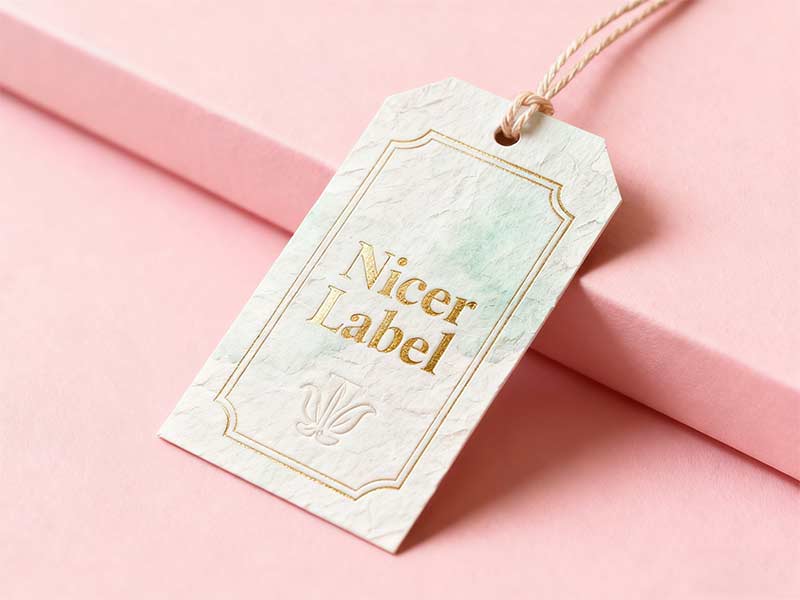
- Custom hang tags and product-story pieces
- Stickers and related retail identification components
For brands turning 2027 fashion industry trends into production, the label system should be planned before final bulk ordering. To request a useful recommendation, send the garment type, label artwork, target dimensions, preferred application, order quantity, destination markets and launch date. If the product uses stretch, coatings, high-temperature washing or direct skin contact, include those conditions so the label can be evaluated as part of the garment rather than as an isolated trim.
Planning a Fall/Winter 2026/27 or 2027 collection? Contact Nicer Label to develop a custom clothing label system that supports your brand identity, product performance and next-market requirements. Make Nicer Labels.
Frequently Asked Questions
What was the scale of CHIC Autumn 2026?
CHIC reported 53,000 square metres, 738 exhibitors and 11 themed segments. More than 60,000 trade visitors were expected, but a verified final attendance total had not been published in the sources reviewed as of August 28, 2026. [2][3]
What 2027 fashion industry trends did CHIC 2026 signal?
The strongest signals were the convergence of performance and daily apparel, greater interest in culturally specific design, faster digital development, evidence-based sustainability, specialised categories and more integrated supply chains. These are commercial and operational shifts as much as visual trends.
Will fashion brands need QR code labels in 2027?
Not every garment can yet be described as requiring a specific QR label under one universal 2027 rule. The EU’s working plan gives 2027 as an indicative timeline for textile and apparel measures, while detailed requirements remain under development. Brands should build reliable product data and leave flexibility for an appropriate data carrier rather than assume that any QR code is automatically compliant. [6]
When should a brand choose a woven label instead of a heat transfer label?
Choose a woven label when tactile brand presence, durability and a sewn-in premium finish are priorities. Choose a heat transfer when low bulk and skin comfort matter, especially in activewear, underwear or lightweight garments. Final selection should be tested on the actual fabric and care cycle.
What information should be sent for a custom clothing label quotation?
Provide artwork, finished size, label type, fold or backing, colour references, placement, garment material, quantity, destination country and required delivery date. For care labels, also provide confirmed fibre content, care instructions, size and origin wording.
Sources and Forecast Method
Method: Fair facts and reported product examples were checked against event, organiser, media and regulatory sources available by August 28, 2026. The seven shifts are Nicer Label’s reasoned interpretation of those signals. They are intended for collection planning and should not be treated as legal advice or guaranteed market outcomes.
- CHIC official event page.
- CHIC Autumn 2026: 12 Years at the Heart of China’s Fashion Industry.
- 2026 China International Fashion Fair Autumn opens in Shanghai.
- Intertextile Apparel returns with pet textiles and climate-adaptive innovation.
- What to expect in the global fashion industry in 2026.
- Ecodesign for Sustainable Products and Energy Labelling Working Plan 2025-2030.
- New law to make products on the EU market more sustainable.